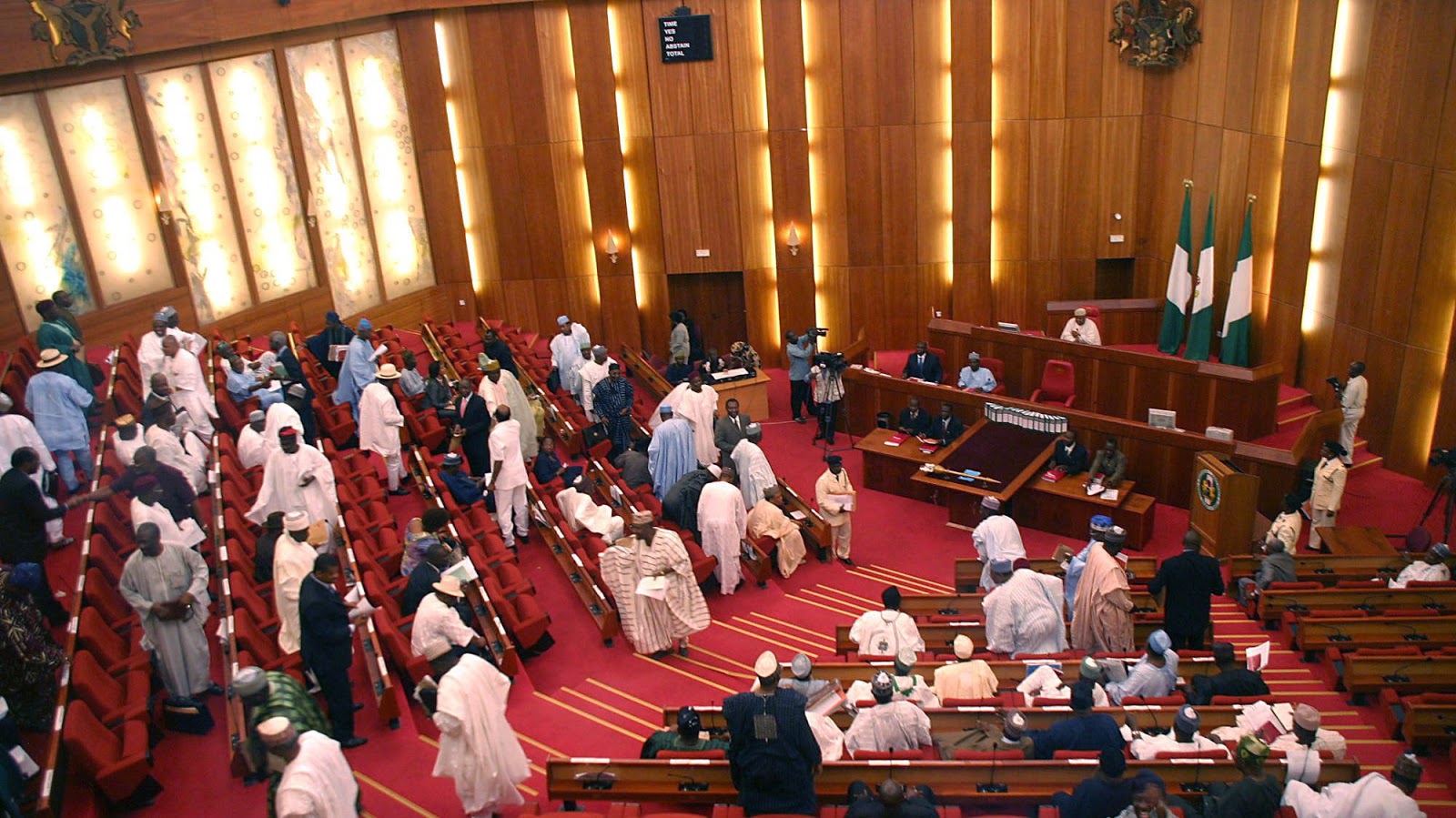
The Senate has assented to President Muhammadu Buhari’s request to increase value-added tax, VAT, by passing the Finance Bill which seeks to amend sev
The Senate has assented to President Muhammadu Buhari’s request to increase value-added tax, VAT, by passing the Finance Bill which seeks to amend seven Acts of the National Assembly relating to taxes payable in the country. The bill specifically seeks an increment of the value-added tax from five per cent to 7.5 per cent. It also seeks an increment in the Companies Income tax, Customs and excise, Petroleum Profit Tax, Stamp duties, personal income tax and Capital Income tax.
The Minority Leader, Enyinnaya Abaribe, and Senators Ifeanyi Ubah, Gabriel Suswan and Abba Moro, however, raised objections to the bill. They said the increment in taxes would further compound the sufferings and pains of Nigerians. But the senate approved the request after Solomon Olamilekan, chairman of the finance committee, presented a report on a bill entitled ‘Nigeria tax and fiscal law’.
In September, the federal executive council (FEC) approved an increase in VAT and sent a bill to the national assembly for consent. During the clause-by-clause consideration of the bill, Enyinnaya Abaribe, senate minority leader, protested the increase of VAT to 7.5 percent from 5 percent. The minority leader said the current VAT rate should be maintained.
“Nigerians have suffered enough,” he said.
Senate President, Ahmad Lawan told Abaribe that his point was noted, but did not give any room for an amendment. After the consideration of the clauses, Lawan said the federal government will have money to bridge the infrastructural gap in the country.
The amendments will become law when they are signed by the president.
