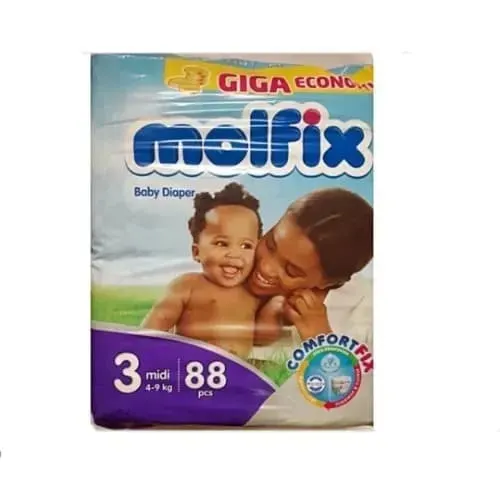
Nigerians have expressed concern over Molfix product deceptive labeling, following reports of a discrepancy between the advertised and actual number o
Nigerians have expressed concern over Molfix product deceptive labeling, following reports of a discrepancy between the advertised and actual number of pieces.
In a viral video posted on Instagram on Tuesday, January 27, a consumer peeled back a green sticker on a jumbo pack of Molfix size 3 diapers, revealing a discrepancy in the product’s piece count.
While the sticker indicated 96 pieces, the original packaging underneath showed 88 pieces.
The consumer expressed shock and frustration, suggesting that the modification may have been intended to mislead buyers about the actual quantity.
The incident comes at a time of heightened economic awareness in Nigeria, where rising costs of Fast-Moving Consumer Goods (FMCG) have made families increasingly vigilant about value for money.
Molfix, a brand under Hayat Kimya Nigeria, has long held a dominant market position and was previously praised for its consumer-focused approach.
Many consumers have branded the incident shrinkflation the sneaky reduction in product size while prices stay the same or rise fueling worries about misleading labels and hidden inflation tactics.
While Molfix has recently emphasized quality assurance and innovative manufacturing at its Agbara factory, the video has prompted calls for greater regulatory oversight from agencies such as the Federal Competition and Consumer Protection Commission (FCCPC).
This incidence underscores the importance of transparency in product labeling and consumer vigilance in the current economic climate.
Consumers are advised to verify product quantities at the point of purchase and report any discrepancies to regulatory authorities like the FCCPC.
