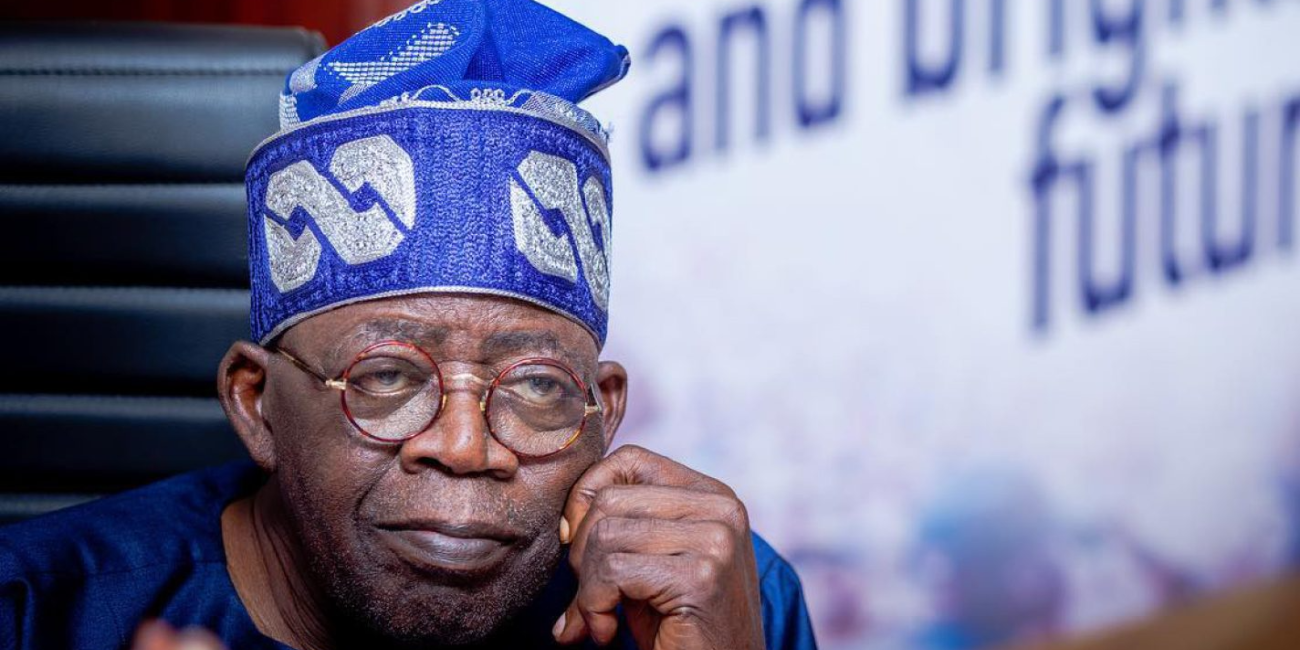
President Bola Tinubu has ordered the return of history as a subject in primary and secondary schools in Nigeria. The Education Minister, Dr. Tunji
President Bola Tinubu has ordered the return of history as a subject in primary and secondary schools in Nigeria.
The Education Minister, Dr. Tunji Alausa said, “President Tinubu has given the directive for the return of history as a subject in primary and secondary schools from the year 2025.”
History was removed from the Nigerian school curriculum in 2008. The government replaced history with social studies, government, and civic education.
The decision was made due to a number of factors, including: students avoiding the subject, few job prospects for history graduates and shortage of history teachers.
Meanwhile, quantitative data from existing studies quantified the repercussions of the removal of history from the Nigerian school curriculum in 2008.
Research after tracing the evolution of history education in Nigeria from colonial times to independence, said this study chronicles the rise (late 1940s) and fall (1970s) of the study of history.
It identifies five causes of the decline: the prioritization of technology and science over the humanities, the economic factor, poor leadership and accountability, nationalist history, and the role of the West.
It said because history failed to address Nigeria’s ethnic, religious and political woes, the government replaced history with subjects like social studies, government and civic education in the 1980s and removed history from the curriculum in 2008.
The study categorizes the consequences of this removal into three key areas: nation-building and development, historical scholarship, and national consciousness and identity.
The loss of history had economic, democratic, and ethnic repercussions, impacting tourism, government accountability and transparency. Historical scholarship declined, and alternative subjects (social studies, civic and government) failed to foster national identity.
Despite these challenges, the study offers hope by examining the reintroduction of history into the curriculum by the Historical Society of Nigeria, addressing related challenges, and emphasizing the importance of history in nation-building, scholarship, and identity formation.
